Just How Menopause Effects Urinary System Health
Are Menopause And Urinary System Incontinence Attached?: Rafael J Perez, Md, Facog: Urogynecologist
Treatment Choices For Hormone Changes And Urinary Incontinence In Women
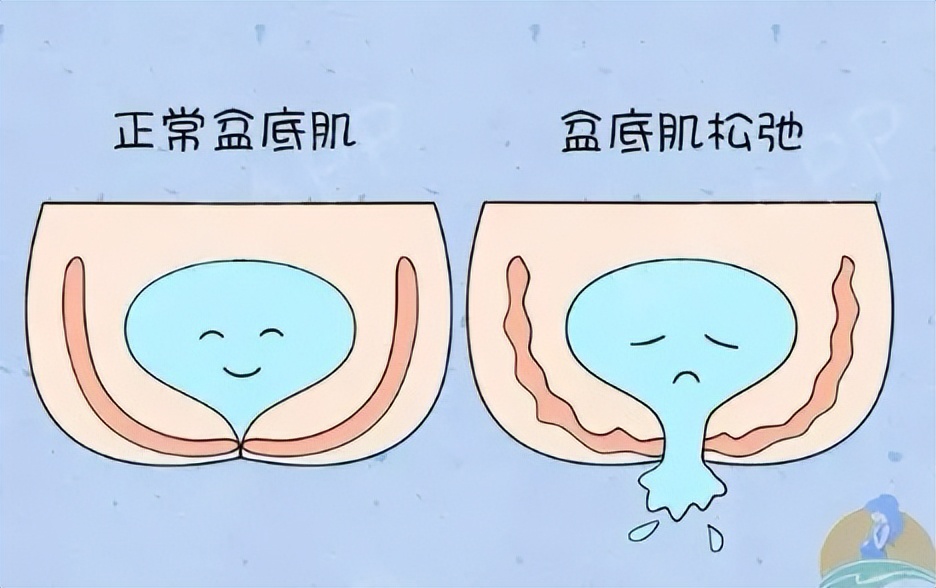
Kegel works out include relaxing and tightening up the pelvic floor muscles. The pelvic flooring muscle mass, which are located between the tailbone and the pubic bone within the pelvis, aid manage the circulation of urine. Tension urinary incontinence occurs when the pelvic flooring muscular tissues become weak. Warning signs include urine leak when chuckling, sneezing, coughing or lifting objects. Prompt incontinence (overactive bladder) is brought on by overly energetic or irritated bladder muscular tissues.- Despite the high frequency of UI amongst menopausal women, there is an absence of consensus relating to the toughness and underlying pathophysiological systems of this relationship.
- You ought to additionally preserve a healthy weight so your pelvic floor doesn't experience additional pressure from excess weight.
- Nonetheless, the best treatment relies on the specifics of your circumstances, so it is necessary to deal with your medical professional to determine what works best for you.
- They can also be valuable with desire urinary incontinence by performing Kegels when need to urinate strikes.
Why Does Urinary System Incontinence Affect More Ladies Than Men?
Injuries and aging can also cause weak point or injury to pelvic flooring muscles. These adjustments can cause urinary system signs like dripping urine or advise urinary incontinence. It also aids maintain your bladder and urethra healthy and balanced and working correctly. They might no more have the ability to manage your bladder as they did previously. As your estrogen degrees remain to drop throughout and after menopause, your UI symptoms may worsen.
Likewise, like all muscle mass, the bladder and urethra muscle mass lose several of their strength as you grow older. This indicates you might not be able to hold as much urine as you get older. An anal prolapse happens when component of your anus slips out of location and might even quit of your anus. While this problem is rare, affecting just about 0.5% of individuals, ladies over the age of 50, particularly those that have actually had a number of maternities, are probably to ... In perimenopause, the ovaries progressively quit functioning and our estrogen degrees begin to nose-dive to prepare for completion of our reproductive years.Consuming Alcohol Or Caffeine
Drugs may be helpful in handling moderate to modest signs of urinary incontinence, specifically Visit this site when used along with pelvic flooring treatment. Menopause, regardless of its challenges, represents a transformative phase in a females's life. By leveraging and advocating for readily available treatment alternatives, adopting self-care methods, and looking for Desmopressin assistance from health care professionals, women can with confidence live and grow in this brand-new phase of life. Females can redeem control over their menopause signs by speaking out and refusing to accept that they have to deal with menopause-related signs or by being rejected by healthcare providers. Over half of all ladies will certainly experience pelvic body organ prolapse (POP) in their life time.1 Signs can include pelvic heaviness, a sensation that something is "befalling," urinary system incontinence, or ... In a bowing placement, our muscle mass aren't in prime peeing setting. Here, we'll go over more details on how hormone inequalities that take place throughout life can cause lower urinary tract signs and symptoms, such as incontinence. For many women, yes-- urinary system incontinence has a tendency to linger or progressively aggravate after menopause rather than disappearing on its own. While the hormone ups and downs of perimenopause may resolve postmenopause, aging remains to impact pelvic muscles, nerves, and bladder control. In fact, study shows that both the frequency and extent of leak usually increase in later postmenopausal years. To aid recognize your pelvic floor muscular tissues, attempt stopping the circulation of pee the next time you pee.